Introduction
Manufacturing companies operate in highly complex environments that require efficient management of production, inventory, supply chains, procurement, finance, human resources, and customer relationships. As industries continue embracing digital transformation, traditional management systems are no longer enough to handle growing operational demands.
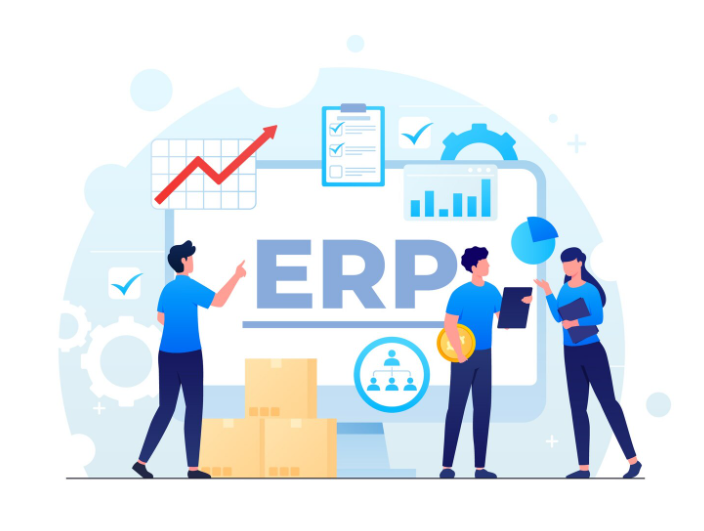
This is why many manufacturers are adopting SaaS ERP software. Software as a Service (SaaS) Enterprise Resource Planning (ERP) platforms provide cloud-based solutions that centralize business operations into a single system. These platforms improve efficiency, reduce operational costs, enhance visibility, and streamline manufacturing workflows.
Modern SaaS ERP systems are designed to help manufacturers manage everything from production planning and inventory tracking to quality control and financial reporting. Unlike legacy on-premise ERP software, SaaS ERP solutions offer scalability, flexibility, automatic updates, and remote accessibility.
This article explores the best SaaS ERP software for manufacturing companies, including their features, benefits, challenges, and how businesses can choose the right ERP solution.
What Is SaaS ERP Software?
SaaS ERP software is a cloud-based business management platform that integrates multiple operational processes into one centralized system.
Manufacturing ERP systems typically include:
- Production management
- Inventory tracking
- Supply chain management
- Procurement
- Accounting and finance
- Human resources
- Quality control
- Warehouse management
- Customer relationship management (CRM)
Unlike traditional ERP systems installed on local servers, SaaS ERP platforms are hosted in the cloud and accessed through the internet.
This approach reduces infrastructure costs while improving accessibility and scalability.
Why Manufacturing Companies Need SaaS ERP Software
Improved Production Efficiency
Manufacturers must coordinate production schedules, raw materials, labor, and machinery efficiently.
ERP systems automate production planning and provide real-time visibility into manufacturing operations.
Better Inventory Management
Inventory mismanagement can lead to:
- Production delays
- Overstocking
- Increased operational costs
- Supply shortages
SaaS ERP software helps manufacturers track inventory levels accurately and optimize stock management.
Real-Time Data Visibility
Cloud-based ERP systems provide real-time analytics and dashboards.
Manufacturers can monitor:
- Production performance
- Inventory levels
- Financial reports
- Supply chain activities
- Equipment utilization
Enhanced Supply Chain Management
ERP software improves coordination between suppliers, warehouses, and production teams.
This helps businesses reduce delays and improve operational efficiency.
Scalability
As manufacturing businesses grow, operational complexity increases.
SaaS ERP systems allow companies to scale operations without investing heavily in new infrastructure.
Key Features of Manufacturing ERP Software
Production Planning and Scheduling
ERP systems help manufacturers:
- Schedule production runs
- Manage work orders
- Optimize machine utilization
- Track manufacturing progress
Advanced scheduling improves operational efficiency.
Inventory Management
Inventory modules track:
- Raw materials
- Work-in-progress items
- Finished goods
- Warehouse stock levels
Real-time tracking minimizes inventory errors.
Supply Chain Management
Supply chain features help manufacturers manage:
- Vendors
- Procurement
- Shipping
- Distribution
- Logistics
This improves supply chain visibility and efficiency.
Financial Management
ERP platforms integrate financial operations such as:
- Accounting
- Payroll
- Budgeting
- Invoicing
- Tax management
Centralized financial data improves decision-making.
Quality Control
Manufacturing ERP software helps maintain product quality through:
- Inspection workflows
- Compliance tracking
- Defect monitoring
- Quality reporting
This is essential for regulated industries.
Business Intelligence and Analytics
Modern ERP systems provide AI-powered analytics and reporting tools.
Businesses can use data insights to improve:
- Forecasting
- Production efficiency
- Cost management
- Profitability
Best SaaS ERP Software for Manufacturing Companies
1. SAP S/4HANA
SAP S/4HANA is one of the most powerful ERP systems for large manufacturing enterprises.
Key Features
- Advanced production planning
- Real-time analytics
- Supply chain management
- AI-powered insights
- Global compliance tools
Benefits
SAP provides enterprise-level scalability and deep manufacturing functionality.
Best For
Large global manufacturers with complex operations.
Drawbacks
- High implementation costs
- Complex setup process
2. Oracle NetSuite
Oracle NetSuite is a leading cloud-based ERP solution widely used by growing manufacturers.
Key Features
- Inventory management
- Production control
- Financial management
- Supply chain tracking
- CRM integration
Benefits
NetSuite offers strong scalability and cloud-native flexibility.
Best For
Mid-sized and fast-growing manufacturing companies.
Drawbacks
- Premium pricing
- Some advanced customizations require technical expertise
3. Microsoft Dynamics 365
Microsoft Dynamics 365 combines ERP and CRM capabilities into one ecosystem.
Key Features
- Production scheduling
- Inventory tracking
- AI-powered analytics
- Power BI integration
- Supply chain management
Benefits
Excellent integration with Microsoft products like Office 365 and Azure.
Best For
Manufacturers already using Microsoft technologies.
Drawbacks
- Learning curve for beginners
- Enterprise pricing can be expensive
4. Odoo Manufacturing ERP
Odoo is a modular ERP platform popular among small and mid-sized manufacturers.
Key Features
- Manufacturing resource planning (MRP)
- Inventory management
- Quality control
- Maintenance management
- Accounting integration
Benefits
Affordable and highly customizable.
Best For
Small to medium-sized manufacturers.
Drawbacks
- Some modules require customization
- Advanced enterprise features may need third-party support
5. Epicor Kinetic
Epicor Kinetic is designed specifically for manufacturing industries.
Key Features
- Shop floor management
- Production scheduling
- Manufacturing execution systems (MES)
- Inventory tracking
- Cost management
Benefits
Strong support for job shops and discrete manufacturing.
Best For
Mid-sized manufacturing businesses.
Drawbacks
- Interface can feel outdated
- Customization complexity
6. Infor CloudSuite Industrial
Infor CloudSuite Industrial, also known as SyteLine, offers manufacturing-focused ERP capabilities.
Key Features
- Advanced planning and scheduling
- Shop floor control
- Asset management
- Workflow automation
- AI-powered analytics
Benefits
Strong manufacturing functionality and flexible deployment options.
Best For
Engineer-to-order and industrial manufacturers.
Drawbacks
- Implementation may require specialized consultants
7. Acumatica Manufacturing Edition
Acumatica provides cloud ERP solutions with usage-based pricing.
Key Features
- Production management
- Inventory control
- CRM integration
- Financial management
- Real-time dashboards
Benefits
Modern interface and flexible licensing model.
Best For
Growing manufacturing companies.
Drawbacks
- Some advanced features require additional modules
Benefits of SaaS ERP for Manufacturing Companies
Lower Infrastructure Costs
Cloud-based ERP systems eliminate the need for expensive on-premise servers.
Businesses save money on:
- Hardware
- Maintenance
- IT staffing
- Software updates
Remote Accessibility
Employees can access ERP systems from anywhere using internet-connected devices.
This improves collaboration across multiple locations.
Automatic Software Updates
SaaS ERP providers regularly release:
- Security updates
- Feature enhancements
- Performance improvements
Businesses always have access to the latest version.
Improved Operational Visibility
Real-time dashboards provide visibility into:
- Production performance
- Inventory status
- Financial health
- Supply chain activities
Better visibility improves decision-making.
Enhanced Data Security
Modern SaaS ERP platforms use:
- Data encryption
- Multi-factor authentication
- Cloud backups
- Security monitoring
This improves protection against cyber threats.
Challenges of ERP Implementation
High Initial Costs
Although SaaS ERP reduces infrastructure expenses, implementation can still be costly.
Expenses may include:
- Licensing
- Training
- Consulting
- Data migration
Employee Resistance
Employees may resist adopting new workflows and systems.
Proper training and onboarding improve adoption rates.
Data Migration Complexity
Migrating data from legacy systems can be time-consuming and technically challenging.
Customization Issues
Highly customized ERP systems may increase maintenance complexity.
Businesses should balance customization with usability.
How to Choose the Best ERP Software for Manufacturing
Identify Operational Needs
Manufacturers should evaluate:
- Production complexity
- Inventory requirements
- Supply chain operations
- Company size
- Industry regulations
Evaluate Scalability
Choose ERP software that can grow with the business.
Consider:
- User expansion
- Multi-site operations
- International support
Review Integration Capabilities
Ensure compatibility with:
- CRM software
- Accounting tools
- eCommerce platforms
- Warehouse systems
Compare Pricing Models
ERP pricing may depend on:
- Number of users
- Features
- Storage
- Support services
Businesses should evaluate long-term ROI.
Request Demos and Trials
Testing software before purchase helps businesses evaluate usability and performance.
Future Trends in Manufacturing ERP Software
AI-Powered Automation
AI will continue improving:
- Production forecasting
- Demand planning
- Predictive maintenance
- Workflow automation
Industrial IoT Integration
ERP systems will increasingly connect with IoT devices for real-time equipment monitoring.
Predictive Analytics
Advanced analytics will help manufacturers anticipate:
- Equipment failures
- Supply chain disruptions
- Inventory shortages
Mobile ERP Solutions
Mobile-friendly ERP platforms will improve operational flexibility for remote teams and factory managers.
Sustainability Tracking
Future ERP systems will help manufacturers monitor:
- Energy usage
- Waste reduction
- Environmental compliance
Best Practices for ERP Success
Train Employees Properly
Comprehensive training improves system adoption and efficiency.
Keep Data Accurate
Clean and accurate data improves ERP performance.
Start With Core Modules
Implement essential modules first before expanding functionality.
Monitor Performance Metrics
Track KPIs such as:
- Production efficiency
- Inventory turnover
- Downtime
- Profit margins
Continuous optimization improves results.
Conclusion
SaaS ERP software has become essential for manufacturing companies seeking operational efficiency, scalability, and real-time business visibility. Modern ERP platforms help manufacturers streamline production, manage inventory, optimize supply chains, and improve financial control.
Solutions like SAP S/4HANA, Oracle NetSuite, Microsoft Dynamics 365, Odoo, Epicor Kinetic, Infor CloudSuite, and Acumatica provide powerful tools designed specifically for manufacturing operations.
As cloud technology, artificial intelligence, and industrial automation continue evolving, SaaS ERP systems will become even more advanced and essential for manufacturing success.
Businesses that invest in the right ERP platform can improve productivity, reduce operational costs, and remain competitive in an increasingly digital manufacturing landscape.
About the Author